Everyday
What to write in a get well card
Pick a line, change a word, sign your name. These get well messages are short on purpose and none of them asks the person to reply, update you, or feel better on a schedule.
Five get well messages you can use right now
Thinking of you. Rest as much as you can, and don't worry about replying.
Sorry you're feeling rough. Hoping today is a little easier than yesterday.
I'm leaving a meal at your door on Thursday. No need to answer or be home.
Sending you the quietest, most comfortable day I can think of. Rest up.
Whatever the recovery looks like, I'm in your corner. No update needed.
Jump to a situation
- Get well messages for surgery or a hospital stay
- Get well messages for the flu or a minor illness
- Get well messages for a coworker
- Get well messages for a child
- Get well messages for a long recovery
- Get well messages for mental health or burnout
- Get well messages when the outcome is uncertain
- Get well text messages
- What not to write in a get well card
How to write a get well message that actually helps
A good get well message does three things: it says you're thinking of them, it takes the pressure off, and it stops. Most people don't want advice, a pep talk or a timeline. They want to feel remembered without having to manage anyone else's feelings.
Keep it to two or three sentences. Use their name. If you want to offer help, make it one specific thing they can accept silently ("I'll drop soup off Thursday") rather than the open-ended "let me know if you need anything".
Get well messages for surgery or a hospital stay
Short and calm works best. They may be tired, medicated or reading on a phone in a hospital bed.
Thinking of you after surgery. Rest as much as you can, and no need to reply.
Hope the hard part is behind you and the quiet part is beginning. Rest well.
Not asking for a thing, just letting you know I'll send dinner Thursday.
Wishing you a smooth, boring recovery. The best kind.
Get well messages for the flu or a minor illness
Lighter is fine when it's a cold or a stomach bug. Keep it warm and brief.
Heard you're under the weather. Hope today is a little easier. Rest up.
Sorry you've caught the bug going around. Tea, blankets, zero obligations.
Feel better soon. Don't answer this; sleep instead.
Hoping you're on the mend. Thinking of you and wishing you a gentle few days.
Get well messages for a coworker
Warm but professional. Don't mention workload, deadlines or when they'll return.
Sorry you're out sick. Take the time you need. We've got things covered here.
Thinking of you. Please focus on getting better; everything here can wait.
Wishing you a full recovery and a calm few days. We'll see you when you're ready.
Get well messages for a child
Write to the child, in plain words, and keep it light. A parent may read it aloud.
Sending a big hello while you rest. Hope your body feels better soon, and that something fun shows up today.
Doctors are good at this. Your job is to rest, watch cartoons and let people bring you snacks.
I'm thinking about you. It's okay to feel tired or cranky. Get better at your own speed.
Holding the whole family in mind this week. No need to respond. We're only sending love.
Get well messages for a long recovery
When it will take months, the hardest part is the silence after the first week. A late card is often the most welcome.
One day at a time. I'm thinking of you on the slow days too. No updates needed.
It's been a while and I still think of you. No need to reply. Just wanted you to know.
Whatever this stretch looks like, I'm here. You don't have to be brave for me.
I'm going to keep checking in without expecting answers. Reply only if and when you feel like it.
Get well messages for mental health or burnout
Keep it light on diagnosis talk. Affirm rest and privacy, and don't ask them to explain. This is general etiquette, not clinical advice.
I'm glad you're taking care of yourself. No need to explain or reply. I'm in your corner.
Thinking of you. Take all the time and quiet you need.
No questions, no pressure. Just a reminder that you matter here.
Get well messages when the outcome is uncertain
Don't promise recovery. Offer presence. For serious illness, the sympathy guide on what not to say has more.
You're on my mind. Sending care for today, not a timeline.
I don't have the right words, but I'm here and I'm thinking of you.
Whatever happens next, you're not alone in it.
Get well text messages
One or two lines, with explicit permission not to reply. There is a longer set on the get well text messages page.
Thinking of you today. No need to reply. Just rest.
Holding you in mind. Take all the quiet you need.
No ask, no timeline. Just care from here.
Sending a small hello and zero obligations. Feel better.
Hope you can sleep, and hope someone's making you toast.
What not to write in a get well card
These five phrases are common, well-meant, and often hard to receive.
- “Stay positive” / “You've got this”Sounds like cheerleading when they feel awful, and can imply their attitude is the problem.
- “Let me know if you need anything”Puts the work on them. Make one specific, easy offer, or send care with no ask.
- “Everything happens for a reason” / “At least it's not worse”Minimizes what they're going through. Skip silver linings unless they offer one first.
- “When will you be back?” / “Can't wait until you're yourself again”Adds timeline pressure. Recovery isn't a performance for anyone else's convenience.
- “Have you tried…?”Unsolicited medical advice. Don't offer remedies or “what worked for me”.
When to send it, and what to sign
Send a get well message early if you can, and a second one a few weeks later. The second is the one people remember. Sign with your first name; if you're writing a group card, leave space for others and skip inside jokes.
If you're not sure how serious it is, write to the care and leave the diagnosis out. You can always say more once they do.
Our best lines on one printable page
The free wording pack collects our favorite lines for cards and texts on a single page you can print or copy from.
Open the free wording packShould you consider sending more than words?
Sometimes, a few heartfelt words are exactly what someone needs to feel loved and supported. You don't have to do anything grand to make a difference. But if you'd like to go a little further, here are some thoughtful ways to show you care.
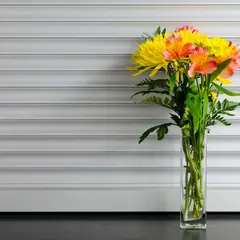 (Florist One, opens in a new tab)Get Well FlowersFlowers ask nothing in return, so the person can simply enjoy them without needing to reply.
 (Florist One, opens in a new tab)Peace Lily PlantMany hospitals limit cut flowers and scents, and a plant can come home to keep recovering alongside them.
 (Florist One, opens in a new tab)Herbal Tea Gift SetTea is soothing, light, and easy to leave at the door when a visit would be too much.
 (Amazon, opens in a new tab)Desk Pothos BasketA plant suits the workplace, is not overly personal, and is easy for a team to give together.
 (Florist One, opens in a new tab)Sticker Activity BooksQuiet, mess-free activities give a tired child something to do and give parents a little breathing room.
 (Amazon, opens in a new tab)Puzzle Books for AdultsLong recoveries mean many quiet hours, and puzzles can be picked up and put down at any pace.
 (Amazon, opens in a new tab)Peace and Serenity DishgardenA small living garden is calm, asks for no reply, and suggests rest rather than fixing anything.
 (Florist One, opens in a new tab)Calming Plants CollectionA lasting plant keeps you present through a long wait without promising any particular outcome.
 (Florist One, opens in a new tab)Get Well Balloon BouquetA light, cheerful follow-up to a quick text, arriving while your message is still fresh.
 (Florist One, opens in a new tab)Thoughtful Fruit BasketIt says what you mean without advice or cliche, and works for most diets.
 (Florist One, opens in a new tab)Fresh Cut BouquetsA bouquet sent with a later card gives your second message something to arrive with.
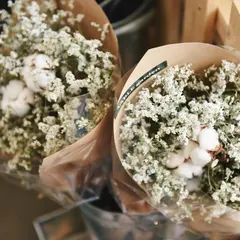 (Florist One, opens in a new tab)Flowers for Any OccasionBrowse a wide range to find a gift that matches the card you have just printed.
 (Florist One, opens in a new tab)
Related guides
This guide offers general etiquette and wording ideas. It is not medical, legal or counseling advice. See how we write these guides.